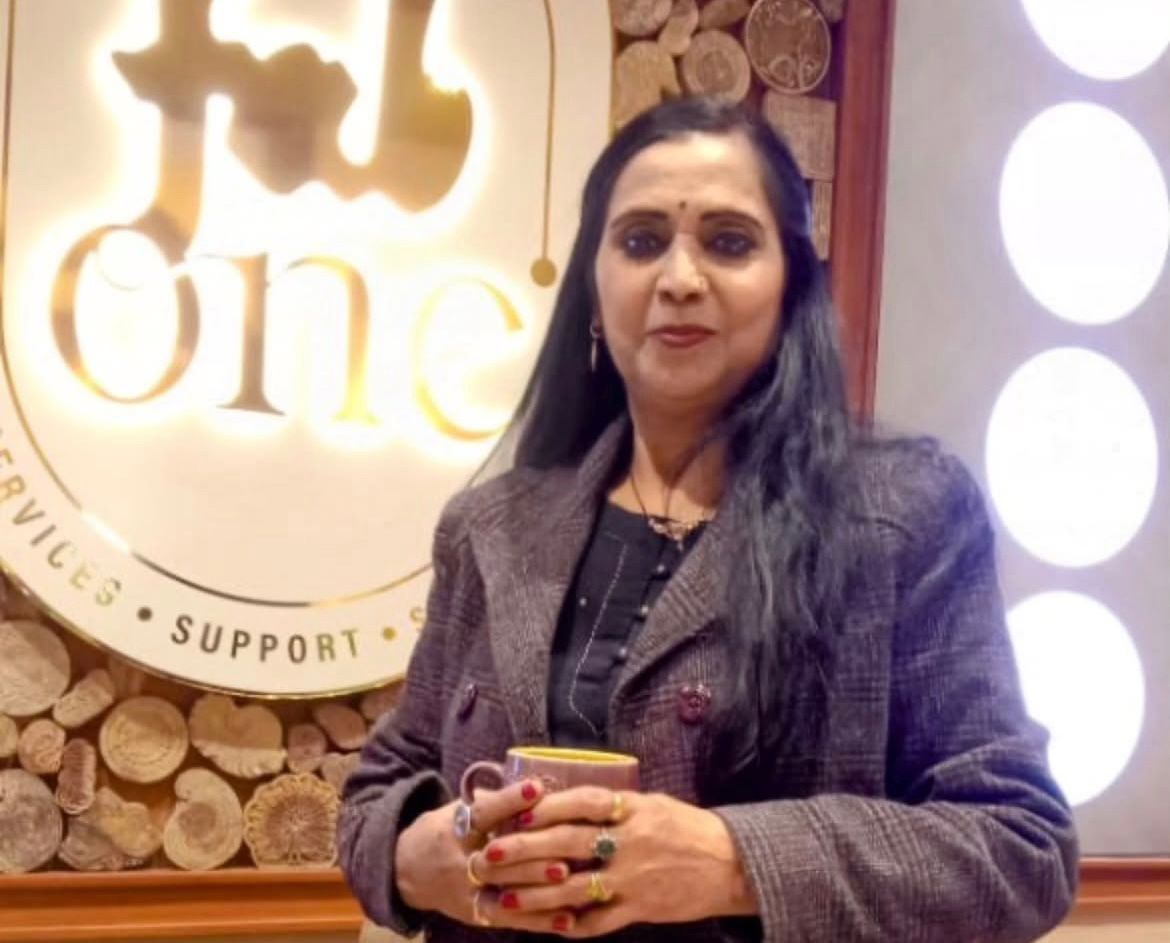
Rashmi Chobey: Writer
Rashmi Chaudhary’s association with the Girmitiya laborers emerges through her historical research and personal engagement with their legacy. During her research in the Shahabad region, she studied the lives of Girmitiya workers and recognized the extreme hardships they endured after leaving India under exploitative contracts. Her visit to Mauritius in 2009, during a seminar commemorating the 1857 struggle, deepened her understanding of the multigenerational suffering, identity loss, and resilience of Girmitiya descendants. Through her reflections, she brings attention to an often-neglected history, highlights literary representations of Girmitiya pain, and emphasizes the ongoing search for identity among their present-day generations.
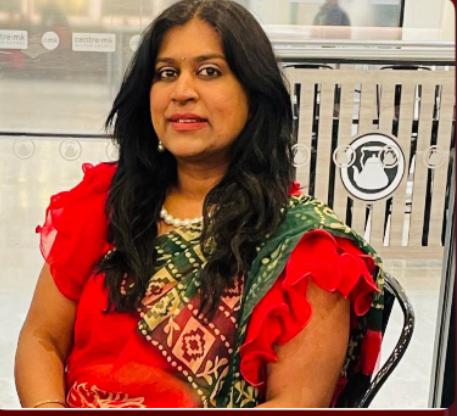
Dr Seshni Moodliar Rensburg: Writer
I'm grateful for the Girmityalogy award and I would like to share more about my interest and contributions in Girmityalogy. I am Dr Seshni Moodliar Rensburg, a qualified medical doctor since 2000, specialist in psychiatry/mental health. Currently coaching doctors and a wellbeing coach. I am also an author, poet, and media contributor on radio, television and papers. In 2025, I completed a book on my great-grandmother, Annamma Vather Moodley, and for the past five years have researched my ancestral lineage and have travelled to India to trace the roots in Tamil Nadu and Gujarat. I have presented at Lucknow university , Northumbria university and on ICC talks and UK radio too on my family history. My interests include documenting ancestral heritage through books, biographies, poetry, articles, and resources, contributing to curriculum development, and exploring the psychological effects of girmitiya experiences and ancestral healing. A motivating aspect was for my children and future generations so that they may continue to remember our ancestors. I am interested in the health issues that affect our Girmitiyas too. I am from South Africa but living in England with my family. Namaste
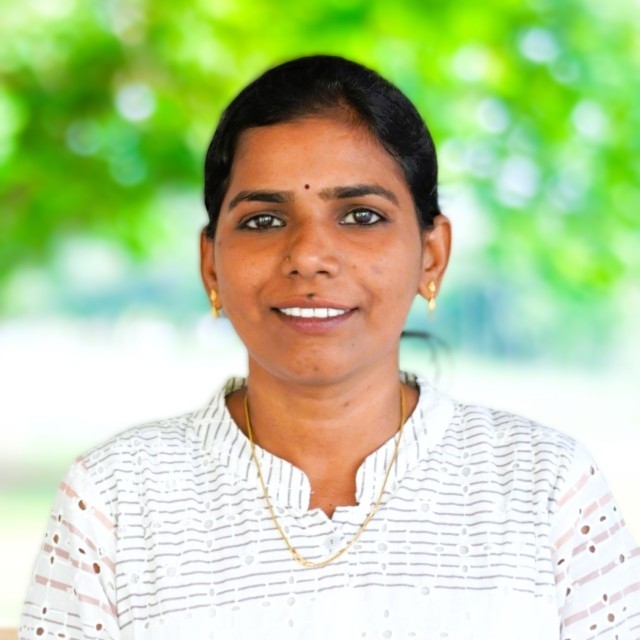
Dr Sathya D
Dr. Sathya D is an academic and researcher whose work is centrally positioned at the intersection of mental health, history, and the global Indian diaspora, with a particular focus on the lived and intergenerational experiences of descendants of Indian indentured labourers. Her scholarship and academic engagements demonstrate sustained international collaboration, especially across South Africa, the Caribbean, and South America. In September 2025, Dr. Sathya D organised an internationally collaborative exhibition titled “The story worth telling: Unforgettable journey of Indian indentured labourers to South Africa (1860–1911) – A visual narrative” at Maharaja’s College, Ernakulam. The exhibition was conducted in collaboration with the Consulate General of India, the Gandhi Luthuli Documentation Centre, and the Local Self-Government Department (LSGD). The four-day event presented a compelling visual and historical account of the indentured labour system and its enduring social and psychological legacies, strengthening academic and cultural ties between India and South Africa. Her research contributions include internationally published scoping reviews examining the mental health of descendants of Indian indentured labourers in Suriname and Guyana. These studies were published in leading peer-reviewed journals—International Journal of Social Psychiatry (SAGE Publications) and Geopsychiatry (Elsevier)—and contribute significantly to emerging global conversations on diaspora mental health, postcolonial trauma, and cultural psychiatry. Extending her academic engagement to public discourse, Dr. Sathya D has also authored a newspaper article in Telegraph India (January 7, 2026), highlighting the enduring psychosocial scars of indenture. Dr. Sathya D has presented her research at major international academic forums, including the Global Indian Diaspora Conference organised by the National Council for Indian Culture in Trinidad and the International Indentured History Conference held in Durban, South Africa. These presentations reflect her active engagement with international scholarly communities and heritage organisations working on indenture studies. In recognition of her expertise, she was invited to deliver an online lecture at the Indo-Caribbean Cultural Centre as part of the ICC Thought Leaders’ Forum in October 2025. Her lecture, “Mental Health of Descendants of Indian Indentured Labourers, with Special Reference to Suriname and Guyana – The Need for a Paradigm Shift,” called for a reorientation of mental health frameworks to better address historical trauma and culturally embedded experiences within diaspora communities. Through her interdisciplinary research, international collaborations, and public engagement, Dr. Sathya D continues to make meaningful contributions to indenture studies, diaspora mental health, and transnational academic exchange.
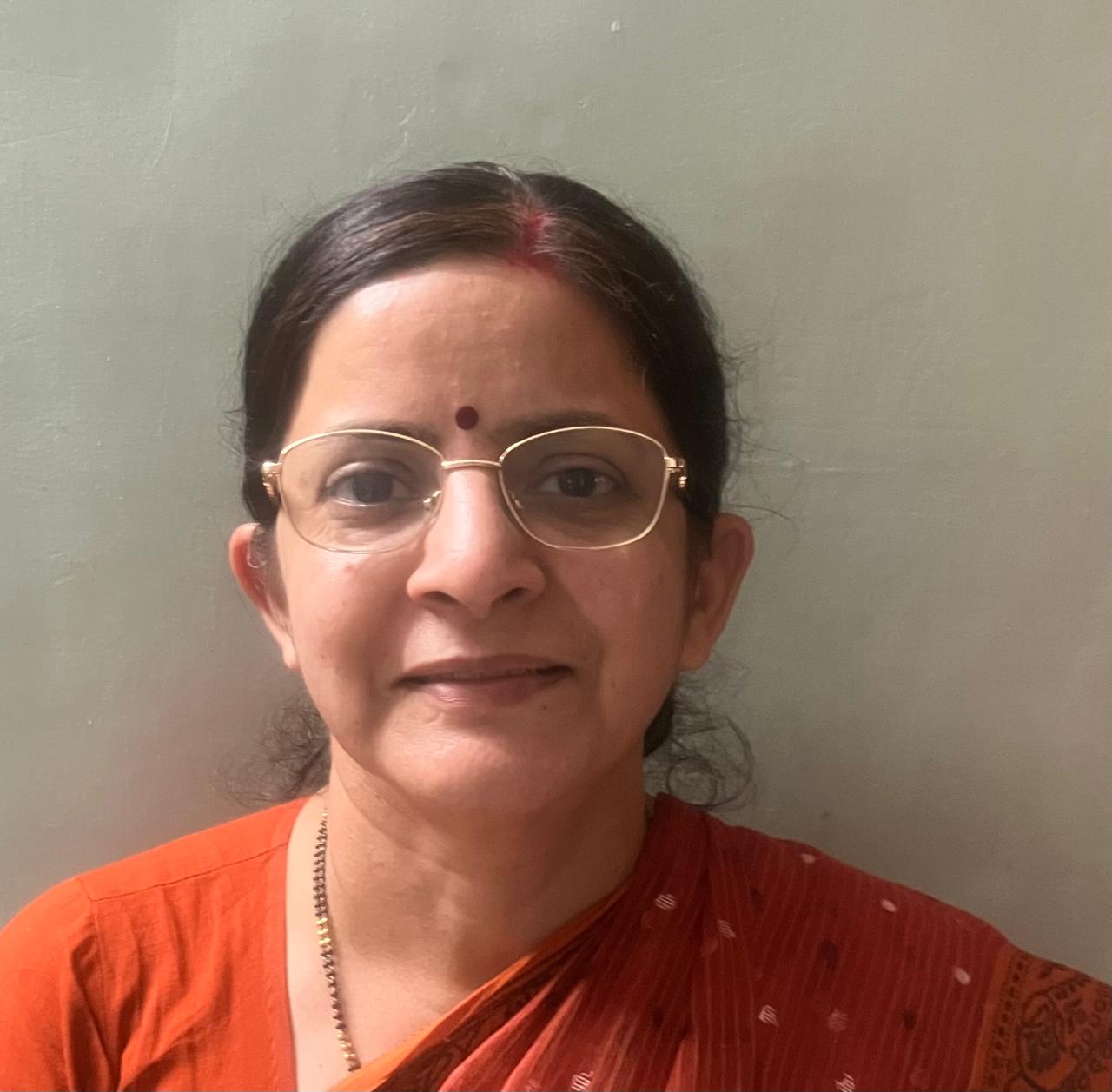
Dr. Archana Tewari: Writer & Academician
Dr. Archana Tewari is Former Head and Professor in the Department of Western History at the University of Lucknow. She specializes in the study of the early Indian diaspora, with particular emphasis on indentured migration. Her research paper, “Indian Indentured Women in the Caribbeans and the Role Model of Ramayana’s Sita: An Unequal Metaphor,” was published by Springer in 2018. A regular participant in international conferences, she has presented and published scholarly papers on diverse dimensions of the Indian diaspora.
Rashmi Chobey: Writer
The term “Girmitiya” refers to laborers who worked under a contract, or “girmit” (a corrupted form of the English word “agreement”). Under this system, workers signed agreements to labor for a fixed period, often with no wages or for extremely low wages. This arrangement developed primarily in the 19th and 20th centuries, after the abolition of slavery in the British colonies, to meet the severe labor shortage. People were taken from India to work on sugar, cotton and tea plantations, as well as on railway construction projects.
Rashmi Chobey: Writer
The term “Girmitiya” refers to laborers who worked under a contract, or “girmit” (a corrupted form of the English word “agreement”). Under this system, workers signed agreements to labor for a fixed period, often with no wages or for extremely low wages. This arrangement developed primarily in the 19th and 20th centuries, after the abolition of slavery in the British colonies, to meet the severe labor shortage. People were taken from India to work on sugar, cotton and tea plantations, as well as on railway construction projects.
The Global Girmitiya Lineage Archive & Searching Centre (GGLASC), based in Madhubani, Bihar, is a pioneering initiative dedicated to preserving the history, identity, and heritage of the Girmitiya diaspora. This initiative operates under the Mahavir Singh Memorial Trust, an NGO established on 28th November 1992 to honor India’s freedom fighters and to serve marginalized communities through education, healthcare, and social welfare programs.